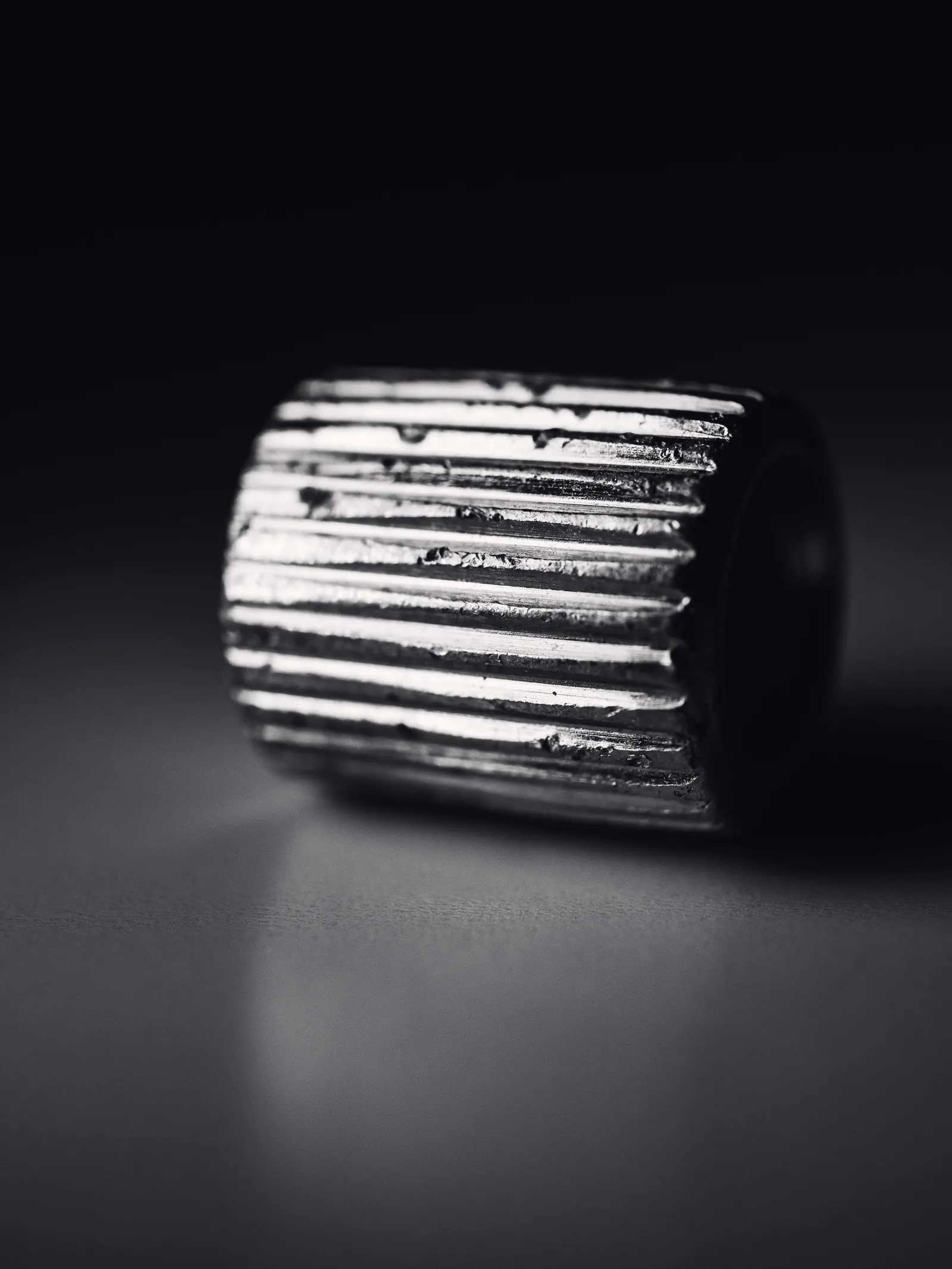
Capability 02 / Turning
CNC turning and sliding head
Sliding heads for small, long and fiddly parts by the ten thousand; twin-spindle turn-mill centres that finish a part complete, milled flats and cross holes included; and a large-bore lathe for the one-off shaft.
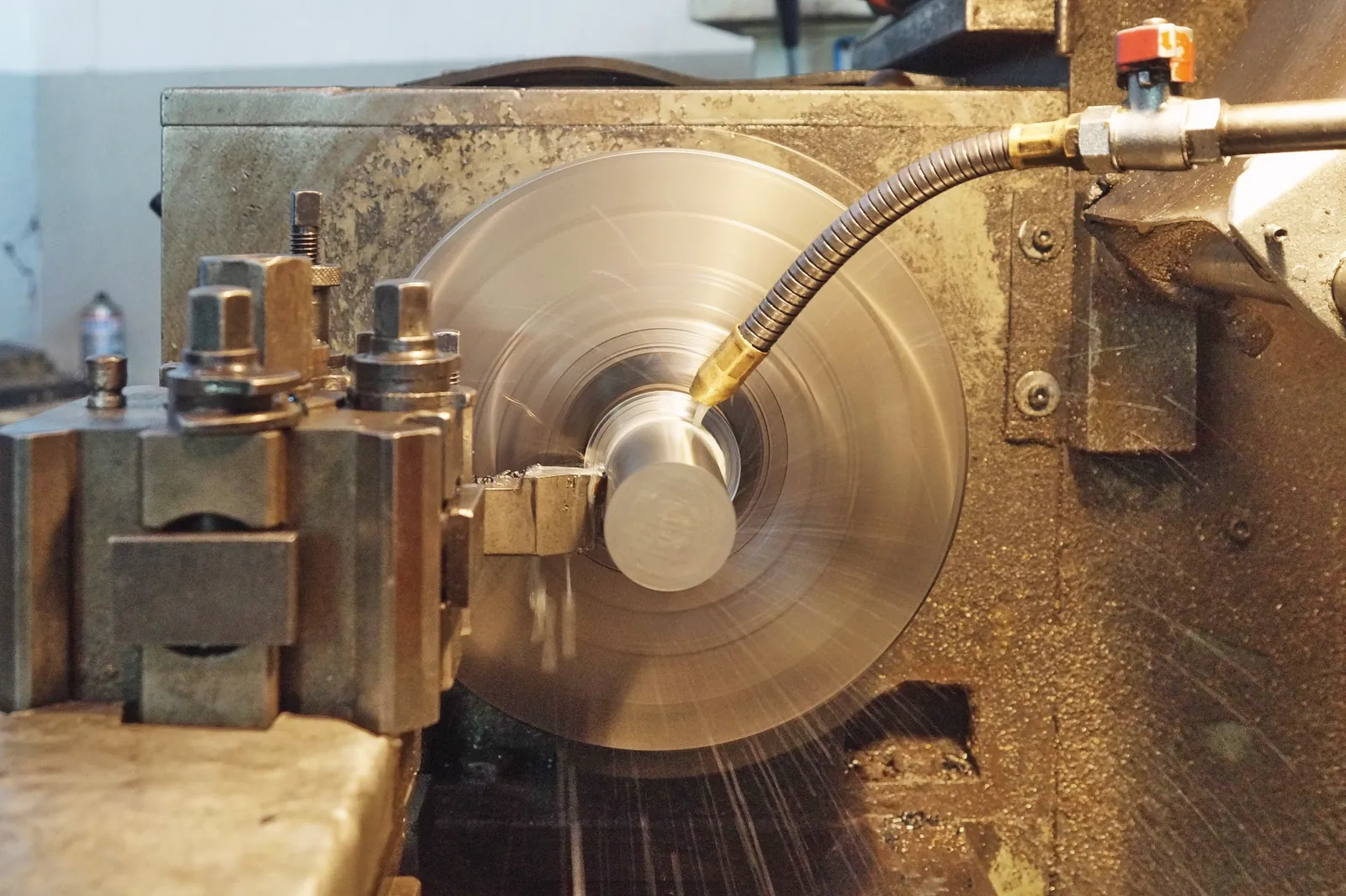
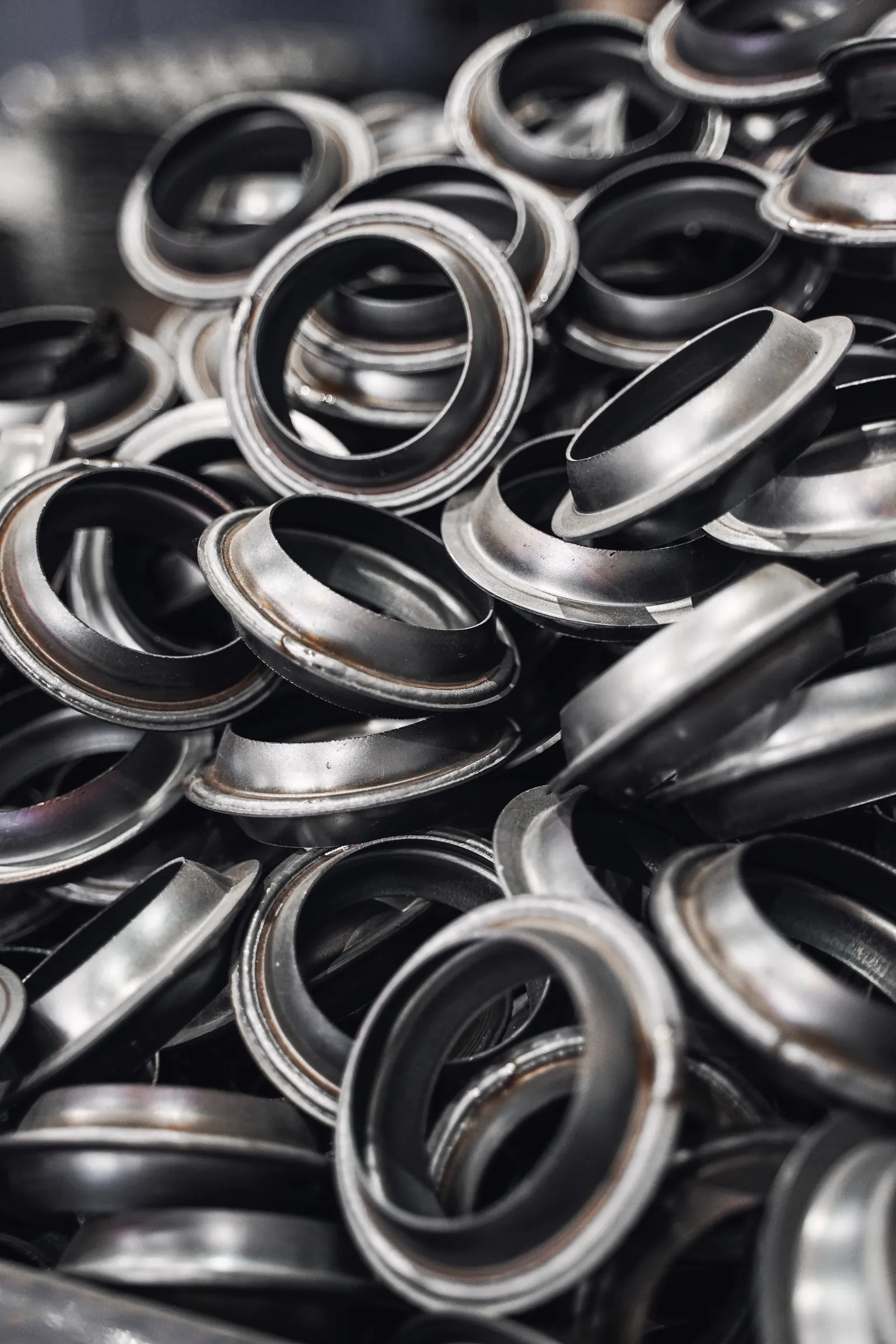
- CNC lathes
- 9
- mm bar capacity
- 65
- mm largest swing
- 600
- mm typical on diameters
- ±0.010
The machines
Bar in, finished parts out.
Bar feeders and parts catchers on every production lathe, so repeat work runs long shifts with the setter checking, not loading.
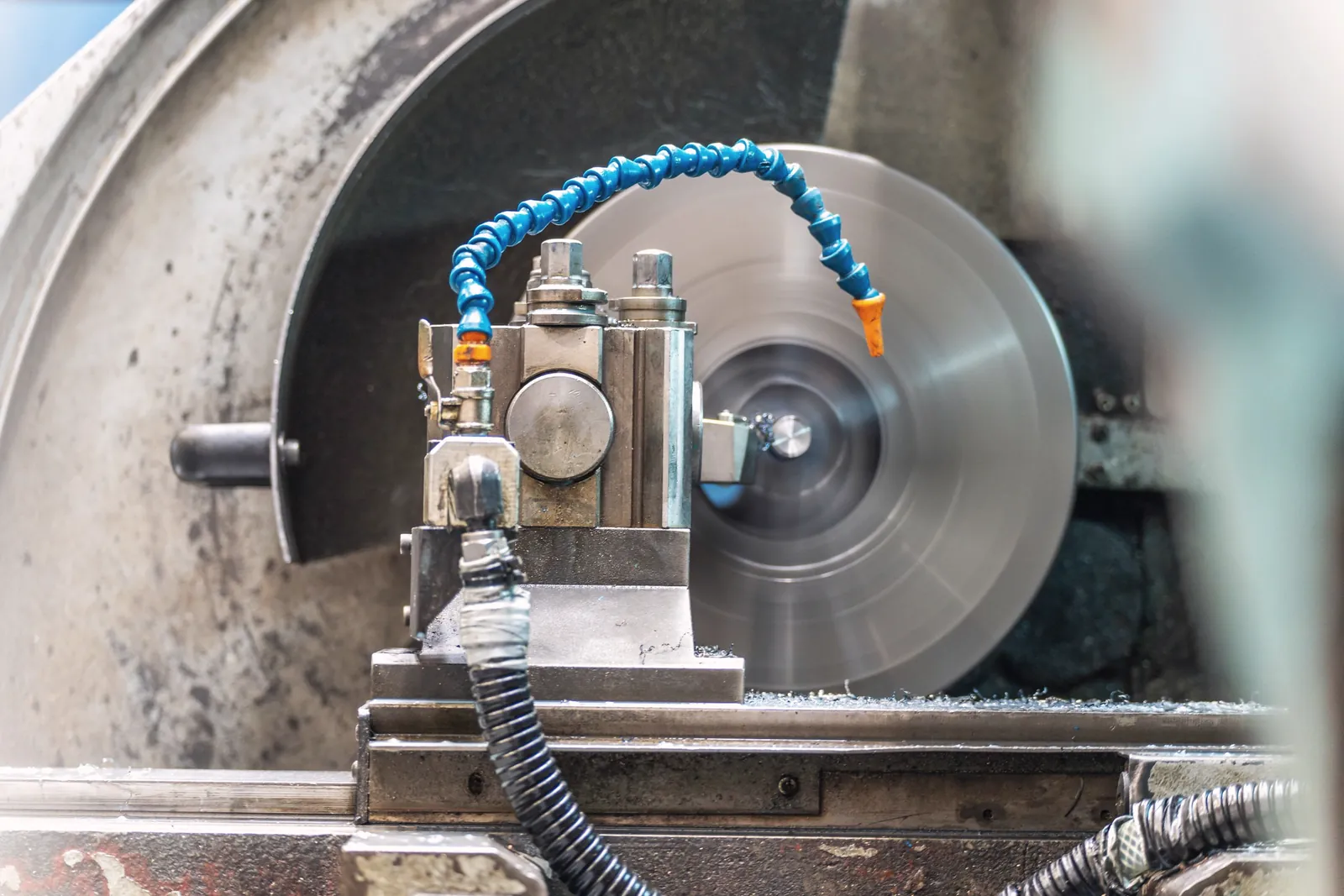
| Machine | Capacity | Features | Qty |
|---|---|---|---|
| Twin-spindle turn-mill centre | Ø 65 mm bar, Ø 250 mm chuck | Y axis, live tooling, sub-spindle | 2 |
| Sliding-head lathe | Ø 0.5 to 32 mm bar | Guide bush or guide-bushless, back working | 3 |
| Fixed-head CNC lathe with bar feed | Ø 51 mm bar, Ø 350 mm swing | Live tooling, parts catcher | 3 |
| Large-bore CNC lathe | Ø 600 mm swing, 1,500 mm between centres | Steady rest, tailstock | 1 |
What we hold
Round, true and repeatable.
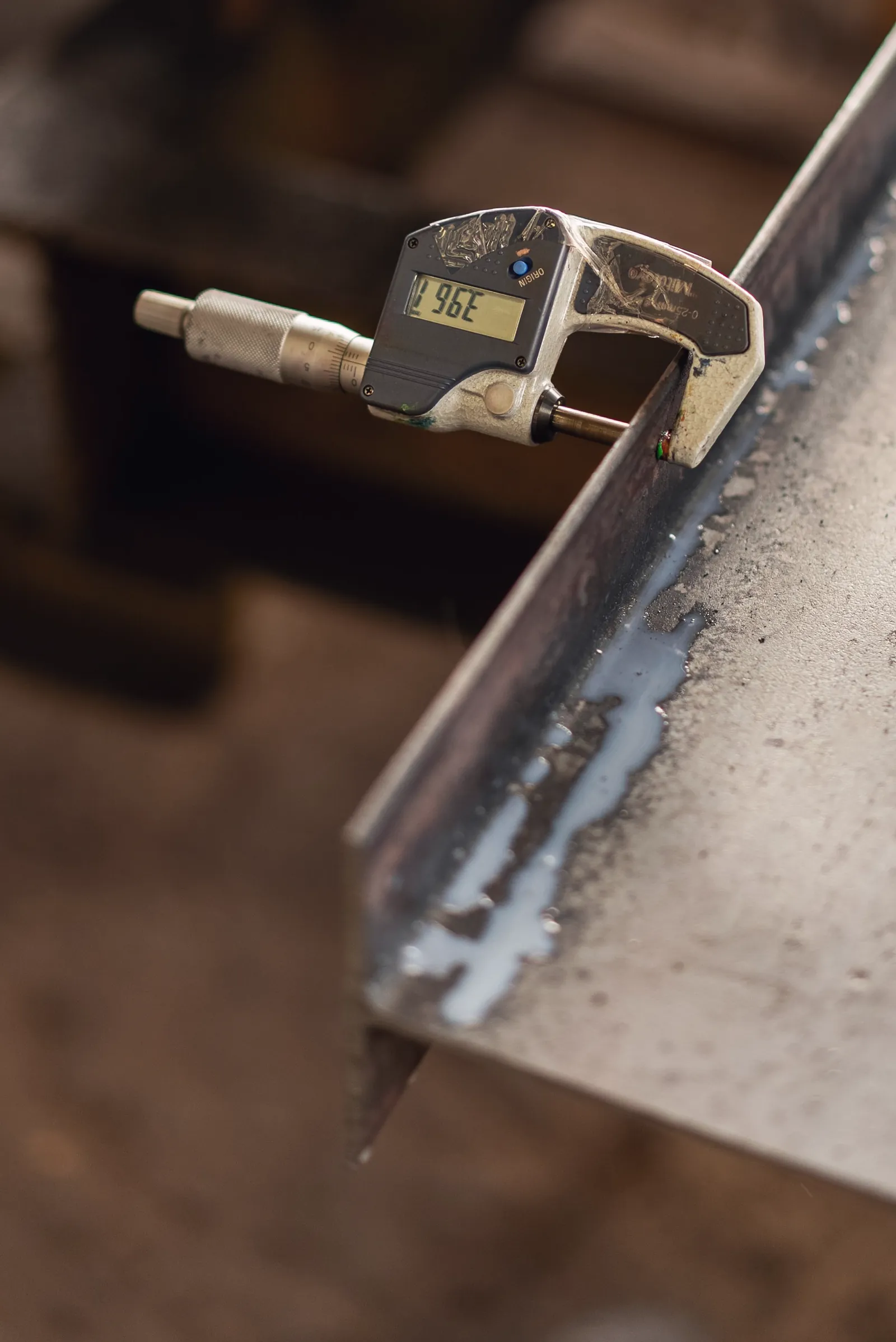
Diameters are checked in process on the machine and on a sample plan at the bench; critical features go to the CMM.
| Parameter | Figure |
|---|---|
| Bar capacity | Ø 0.5 to 65 mm |
| Chucked work | Up to Ø 600 mm |
| Length | Up to 1,500 mm between centres |
| Diameter tolerance | ±0.010 mm; ±0.005 mm by agreement |
| Concentricity | 0.01 mm TIR, typical |
| Surface finish | Ra 0.4 µm turned, typical |
| Threads | Metric, unified, BSP and NPT; single-point or rolled |
| Batch size | 10 to 50,000 (sliding head) |
Materials
Free-machining, or the hard stuff.
Free-cutting steels and brass for volume, stainless and titanium for the parts that have to last. Material certificates go out with the batch.
- Aluminium: 6082, 7075, 2014, 5083 and cast tooling plate
- Stainless steel: 303, 304, 316L, 17-4PH and duplex
- Carbon and alloy steels: EN1A, EN3B, EN8, EN24T, EN36
- Tool steels, pre-hardened and annealed
- Titanium: Grade 2 and Grade 5
- Brass CZ121, phosphor bronze PB1/PB2, copper
- Engineering plastics: PEEK, acetal, nylon, PTFE